My Approach
I am an integrative and relational psychotherapist, drawing on my training in Transactional Analysis alongside person-centred, trauma-informed and other relational approaches.
For me, therapy begins with listening. I want to understand your story, rather than making assumptions about you based on a diagnosis, your culture, your family, your faith or your circumstances.
Together, we can explore what you have experienced, how it has affected you and whether some of the beliefs or patterns you have learnt still serve you today.
I will not tell you what you should believe. If religion or spirituality is important to you, it can have a place in our work. Equally, if your religious or spiritual experiences have caused you pain, fear, confusion or shame, there is space to talk about that too.
I believe that questioning a belief does not necessarily mean rejecting your faith, your culture or your family. Sometimes it means understanding yourself more clearly and deciding what you genuinely believe for yourself.
Where trauma is part of your story, we can work carefully and at a pace that feels manageable. Where neurodivergence is relevant, I aim to understand your individual way of experiencing the world rather than viewing difference as something that needs to be corrected.
My role is not to tell you who to become. It is to help you understand who you are, what has shaped you, and what you want your life to look like now.
About Me
I am a UKCP Clinical Psychotherapist offering a safe, confidential and non-judgemental space to explore the experiences, relationships and beliefs that may be affecting your emotional wellbeing.
I work with adults who may be experiencing anxiety, depression, trauma, grief, relationship difficulties, life transitions, family difficulties, questions around identity, or simply a sense that something in their life no longer feels right.
A particular area of my work is exploring the impact of culture, religion and spirituality on mental health and identity. Our beliefs can provide meaning, belonging and strength, but they can also become a source of fear, shame, control or emotional distress. I offer a space where you can explore these experiences openly and without judgement.
I am particularly interested in the impact of religiously oppressive or controlling practices, trauma and culturally embedded beliefs on people's lives. This may include experiences of shame, fear, rejection, abuse, spiritual conflict or feeling unable to question beliefs that have shaped you from childhood.
I am also trauma-informed and neurodivergence-aware, recognising that people experience the world, relationships and emotional distress in different ways. I do not believe that therapy should require you to fit into a particular way of thinking or being.
I also work with older adults, including people navigating bereavement, loneliness, changing family roles, ageing, existential crisis and questions of identity, dignity and independence.
I aim to offer a therapeutic relationship where you can feel seen, heard and understood, while having the freedom to explore your experiences at your own pace.
I work with
- Companies
- Couples
- Families
- Groups
- Individuals
Special Interests
Like all UKCP registered psychotherapists and psychotherapeutic counsellors I can work with a wide range of issues, but here are some areas in which I have a special interest or additional experience.
Types of Therapies Offered
- Transactional Analysis Psychotherapist
What I can help with
Types of sessions
- Face to Face - Long Term
- Face to Face - Short Term
- Home Visits
- Online Therapy
- Telephone Therapy
Office
Richmond
TW9 1SE
United Kingdom (UK)
Wheelchair accessible View Map
UKCP College
- Humanistic and Integrative Psychotherapy College (HIPC)
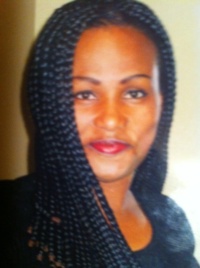
Esther Ajeh Benson
TW9Bookmarks My Shortlist
All shortlisted profiles
Links
Connect with us
Privacy | Accessibility | Sitemap | © 2026 UK Council for Psychotherapy. All rights reserved | Registered charity no. 1058545 | Company no. 3258939 - Registered in England
