
My Approach
There is often more to our struggles than what we first see.
You may find yourself repeating patterns in relationships, feeling disconnected from who you are, struggling to make sense of your emotions, or carrying experiences that you have never quite been able to put into words. Perhaps you have become very good at managing life on the outside, while something inside feels less settled, less understood, unseen and unknown, or harder to reach.
My approach sits on the premise that our ways of relating to ourselves and others develop within relationships. Sometimes, the very ways we learnt to protect ourselves, maintain connection or get through difficult circumstances can later leave us feeling stuck. Rather than viewing these patterns as something wrong with you, I approach them with curiosity, seeking to understand what they have meant in the context of your life, how they have helped you survive, whether they are still helpful, and what you might need to help you take a risk and try something new or different to make lasting changes you seek now.
At the heart of my work is the therapeutic relationship itself. I offer a space where we can pay attention not only to what you tell me, but also to what may be difficult to express, what feels safe or unsafe to bring, and what happens between us as we work together. My approach is thoughtful and collaborative, allowing room for complexity, uncertainty and the parts of your experience that may not yet make sense.
I also recognise that we do not develop in isolation and therefore our life stories involve multiple others. Family, culture, race, religion, intersectional identities, and the wider world all influence our sense of belonging and how we see and come to understand ourselves, which parts of ourselves we feel able to express, and where we feel accepted or out place. and who we feel able to be whole ourselves with. These experiences matter! I am particularly particularly interested in the complexities of these experiences especially when aspects of who we are have felt misunderstood, unseen, excluded, labelled 'different' or difficult to reconcile internally.
I do not see therapy as a process of simply fixing what feels difficult. I see it as an opportunity to understand yourself more deeply, make sense of patterns that may once have served a purpose, and discover new possibilities for relating to yourself and others. Over time, this can create room for a different kind of relationship with yourself, others and the world, that is shaped less by old expectations and protective patterns, and more by choice, connection and a growing sense of who you are.
About Me
UKCP-registered integrative psychotherapist working from a relational-developmental approach.
Offer long and short term psychotherapy
Online and telephone psychotherapy available nationwide
Face to face psychotherapy available in Leicester and London
Member of HIPC EDI Committee
Member of UKCP EDI-BIIDE Committee
Clinical Director and Psychotherapist at Aina Therapy
Resident Psychotherapist at Space 2 Breathe Collective Clock Chambers Ltd
Associate Psychotherapist at Therapy Lounge Collective
Affiliate Psychotherapist at Charnwood Counselling & Psychotherapy
https://www.linkedin.com/in/alisha-dagia-33ba873a2
I am interested in the person beneath the presenting problem: the early relationship experiences and environments that shape how we come to know anything about ourself and who we become, the ways we have learnt to adapt, how we relate to others, the feelings or needs that may not have had the space to be recognised, and the helpful and unhelpful patterns we carry into adult life that help and hinder, keeping us feeling stuck.
At Aina Therapy I offer a mirror to your relational patterns that we work through collaboratively in the therapeutic relationship which can help you find and test new ways of being, relating, connecting, navigating closeness, separation and independence without losing connection with your own sense of self.
BIIDE: Belonging, Intersectionality, Inclusion, Diversity and Equity
As a British South Asian woman, my own understanding of the term bicultural has helped me think more deeply about identity, belonging and the ways we learn to navigate different cultural worlds. It has drawn my attention to how our sense of self is shaped not only by our personal relationships, but also by the social, cultural, and racial environments in which we live. It has also deepened my interest in the parts of ourselves that are expressed, adapted, held back or misunderstood in our relationships with others and in different contexts and how this varies from personal and professional spaces.
I recognise that differences between us, including race, culture, ethnicity, religion, social background and lived experience, can shape how we meet one another, what we assume, what remains unspoken and how safe or understood we feel. These dynamics are not separate from the therapeutic relationship; they can be part of it.
I welcome working with people who want to explore these questions. I am particular drawn to working with psychotherapy trainees and practitioners reflecting on their relational experiences with peers, facilitators and institute in training and clinical work, their developing professional identity and the impact of difference within therapeutic relationships. This includes people from both global majority and white backgrounds who want to engage thoughtfully with questions of culture, power, identity and belonging, whether in their personal lives, training or clinical practice.
For some people, working with someone who shares their racial or cultural background feels important; for others, working with someone from a different background feels more appropriate for them. Neither choice needs to be justified. What matters is that you feel able to choose a therapist who feels right for you and therapy can also offer space to explore how you came to make that choice and what it may represents. These may include hopes, fears, worries, expected failures or expectations we bring to relationships, and how experiences of similarity and difference may emerge in the therapeutic encounter. My intention is not to make assumptions about your choice, but to remain curious about your experiences that influence your current feelings and choices and to respect your autonomy throughout the process alongside making room for you to have more choice.
I work with
- Companies
- Groups
- Individuals
Special Interests
Like all UKCP registered psychotherapists and psychotherapeutic counsellors I can work with a wide range of issues, but here are some areas in which I have a special interest or additional experience.
Types of Therapies Offered
- Integrative Psychotherapist
What I can help with
Types of sessions
- Face to Face - Long Term
- Face to Face - Short Term
- Online Therapy
- Telephone Therapy
Office
6 Hotel StreetLE1 5AW
United Kingdom (UK)
View Map
UKCP College
- Humanistic and Integrative Psychotherapy College (HIPC)
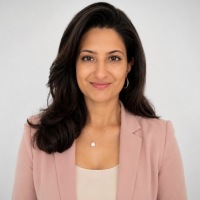
Alisha Dagia
LE1
Bookmarks My Shortlist
All shortlisted profiles
Links
Connect with us
Privacy | Accessibility | Sitemap | © 2026 UK Council for Psychotherapy. All rights reserved | Registered charity no. 1058545 | Company no. 3258939 - Registered in England
